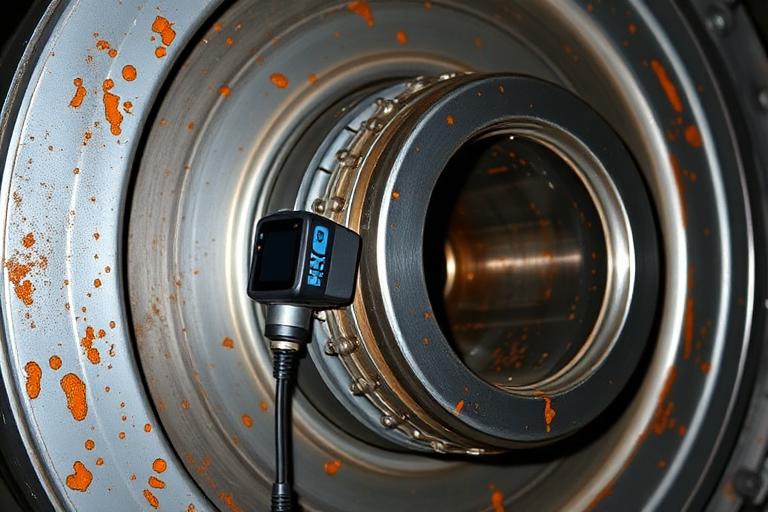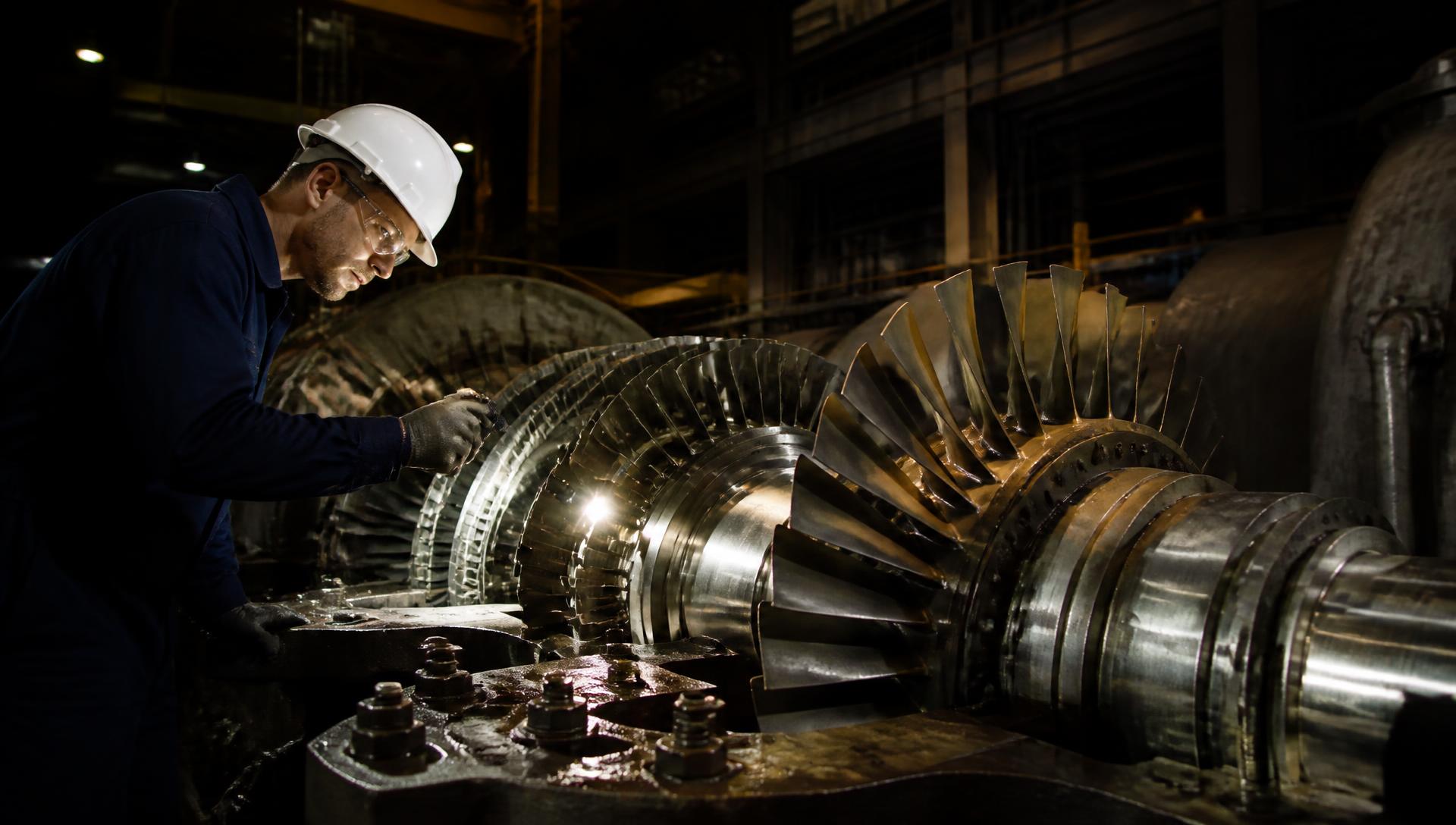

01 / Machinery Diagnostics
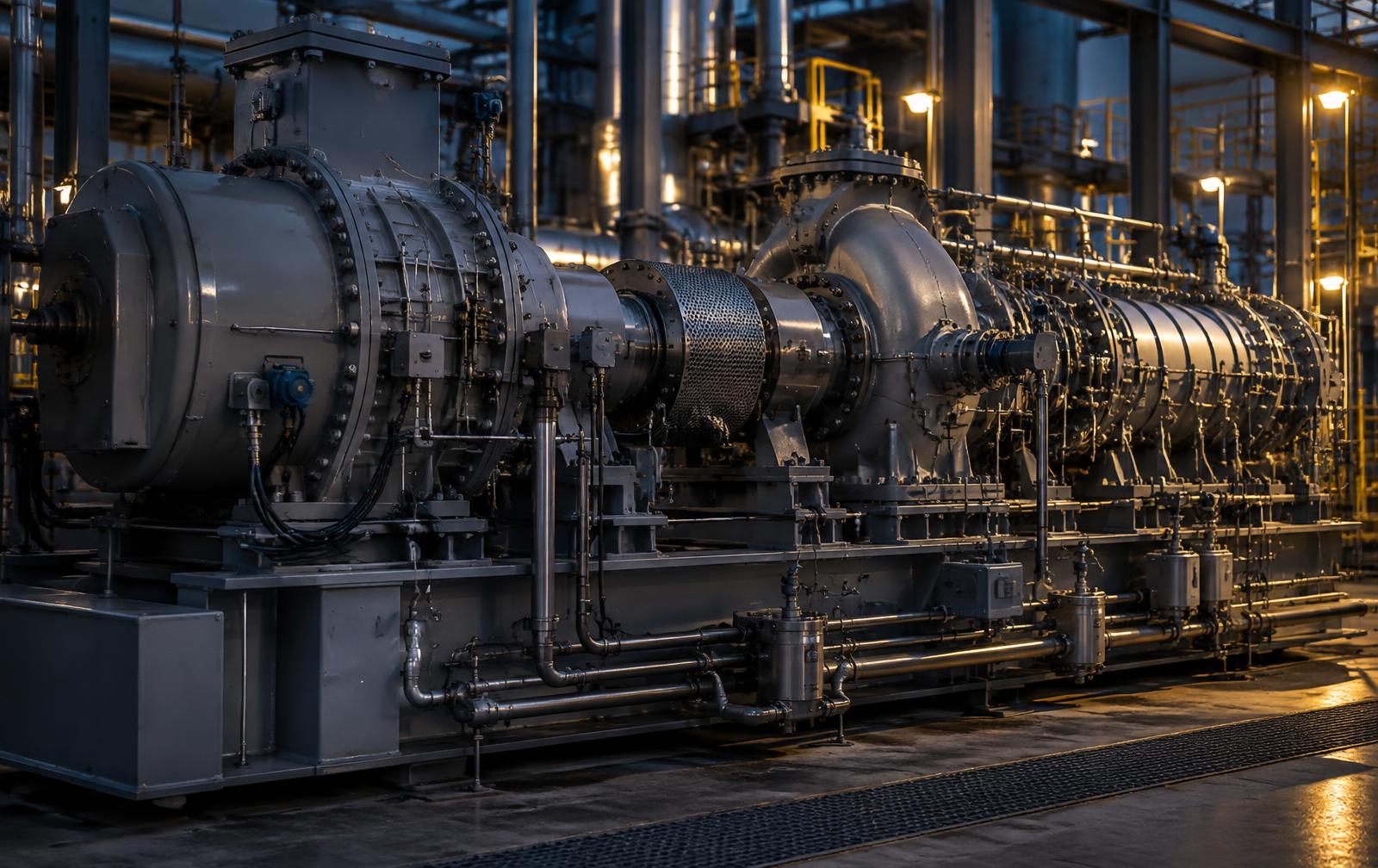
Vibration Analysis: Separating Symptoms From Root Causes
Why a dominant vibration frequency is evidence, not a root cause, and how investigators test competing mechanisms.
Read analysis →
Insights
Field-informed perspectives on failure mechanisms, engineering evidence, asset condition, and the decisions technical work must support.
Featured Analysis

01 / Machinery Diagnostics
Why a dominant vibration frequency is evidence, not a root cause, and how investigators test competing mechanisms.
Read analysis →
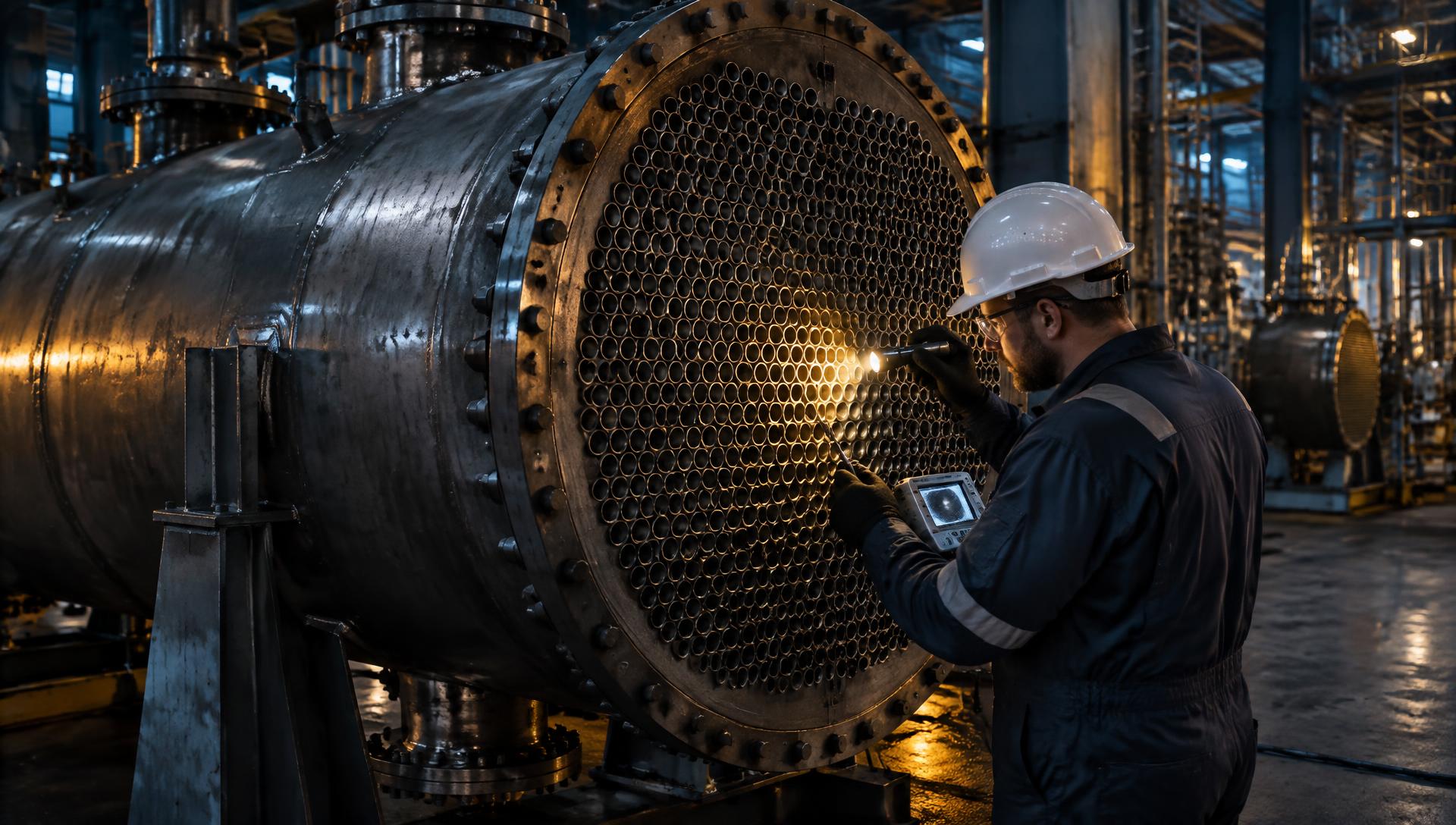
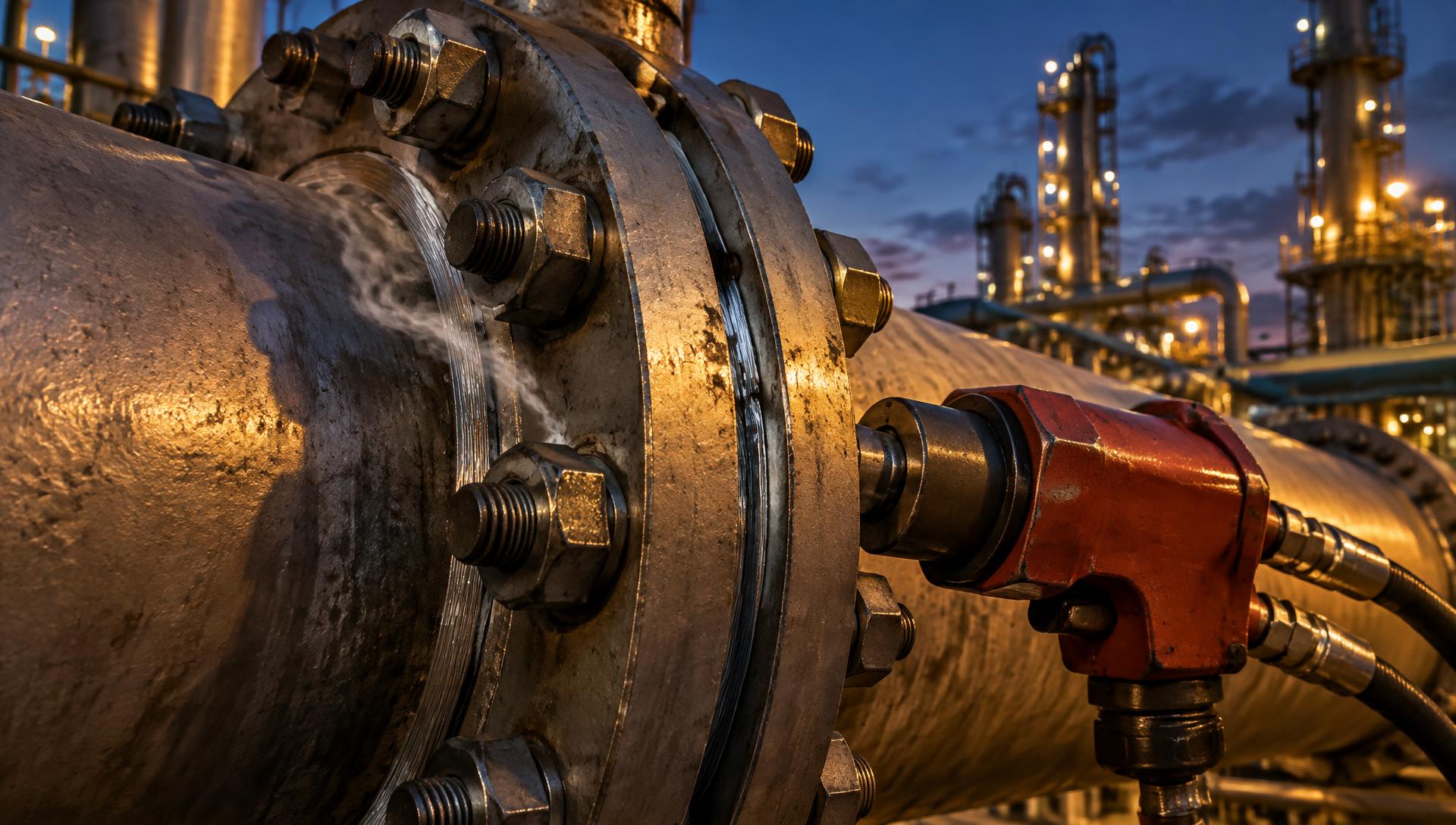
02 / Pressure Systems
A disciplined path from fracture surface and operating history to a supportable failure mechanism.
Read analysis →
03 / Asset Advisory
How physical condition, obsolescence, and operating context can challenge the assumptions in a financial model.
Read analysis →
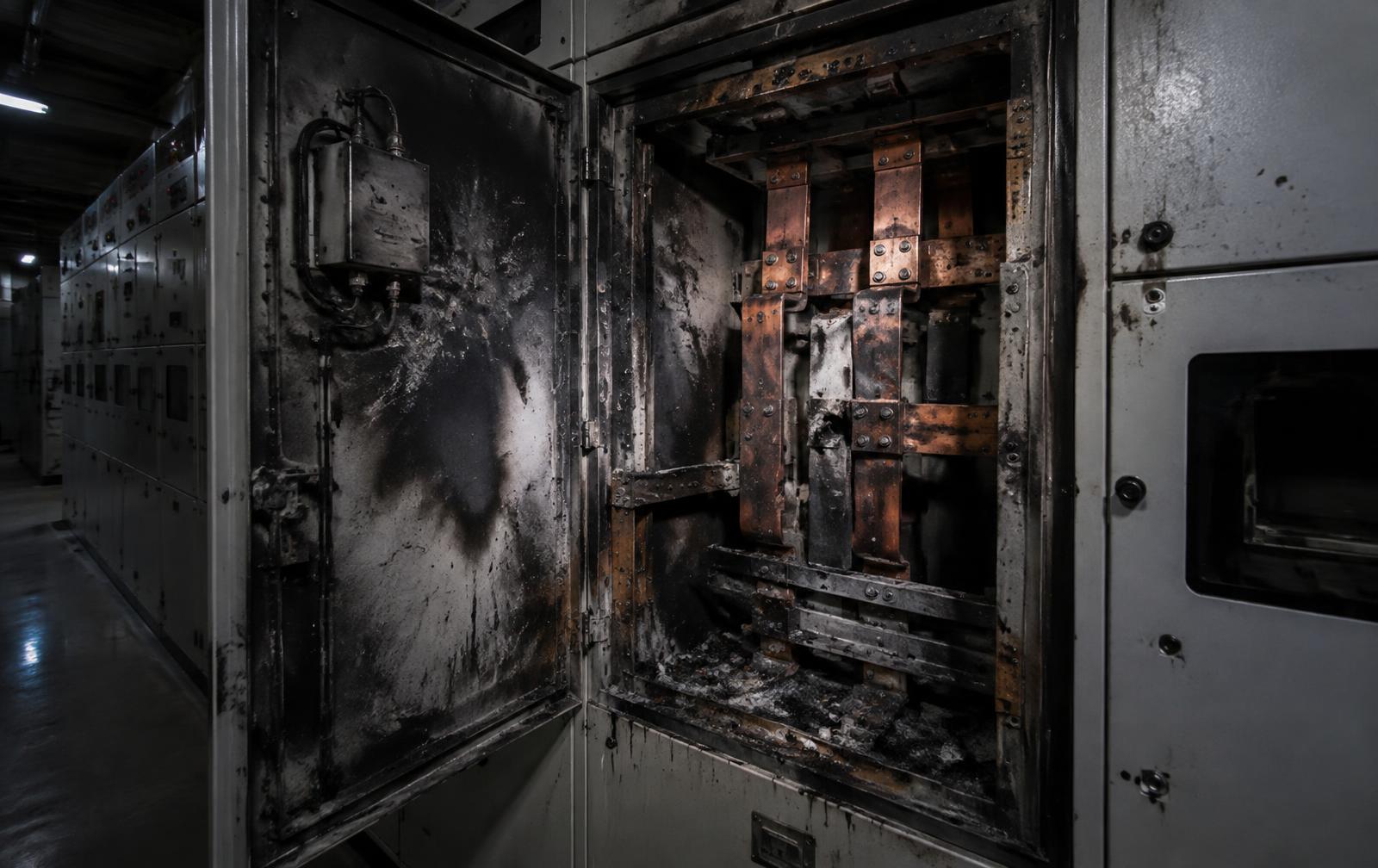
04 / Electrical & Power
Protection settings, relay targets, and damage patterns often disagree. Reconciling them establishes fault origin.
Read analysis →
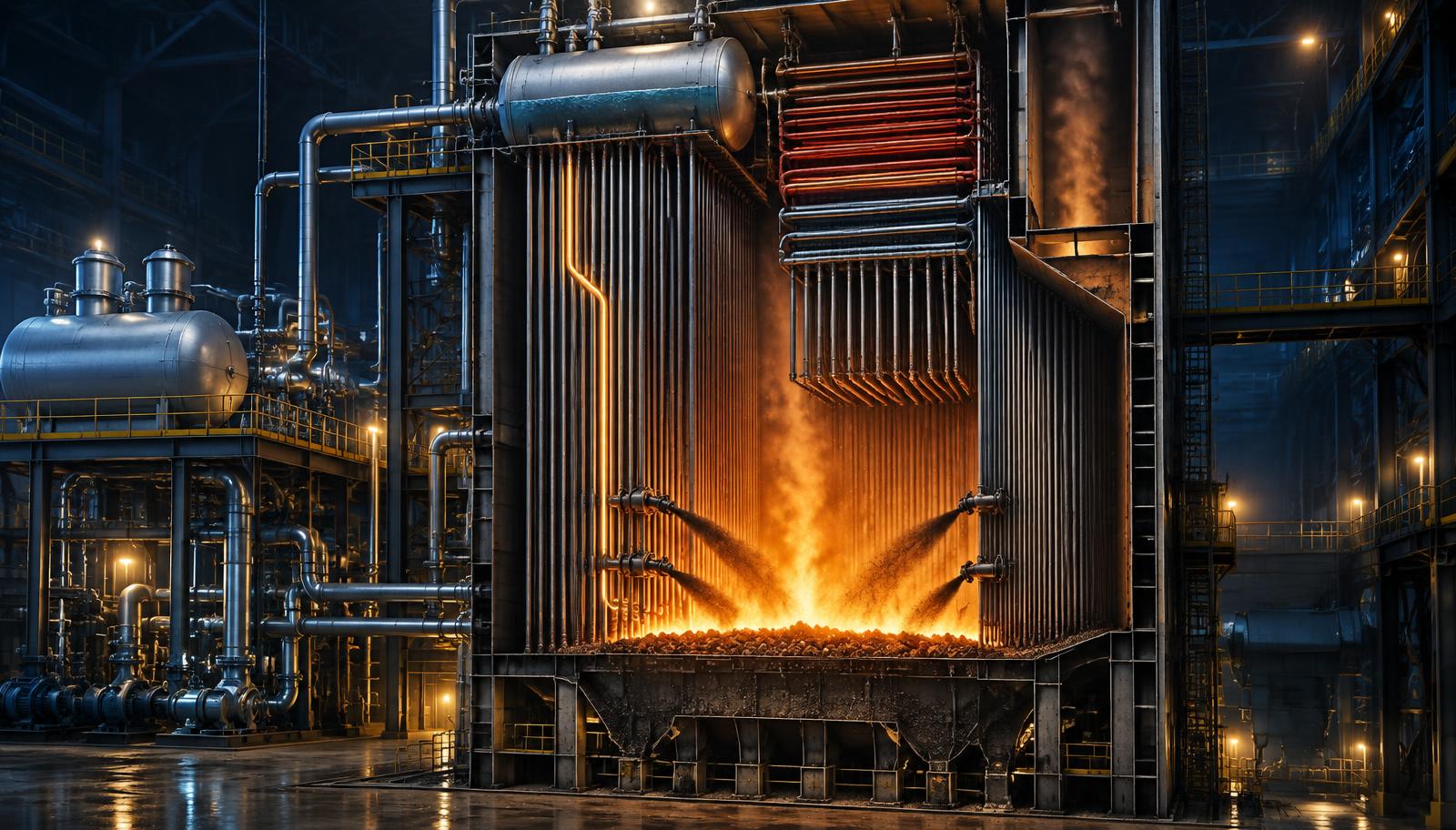
05 / Fire & Explosion
Systematic methodology, hypothesis testing, and the difference between a plausible ignition source and a supported one.
Read analysis →
06 / Structural & Civil
Distinguishing settlement, heave, and load path change when equipment alignment and structural distress appear together.
Read analysis →
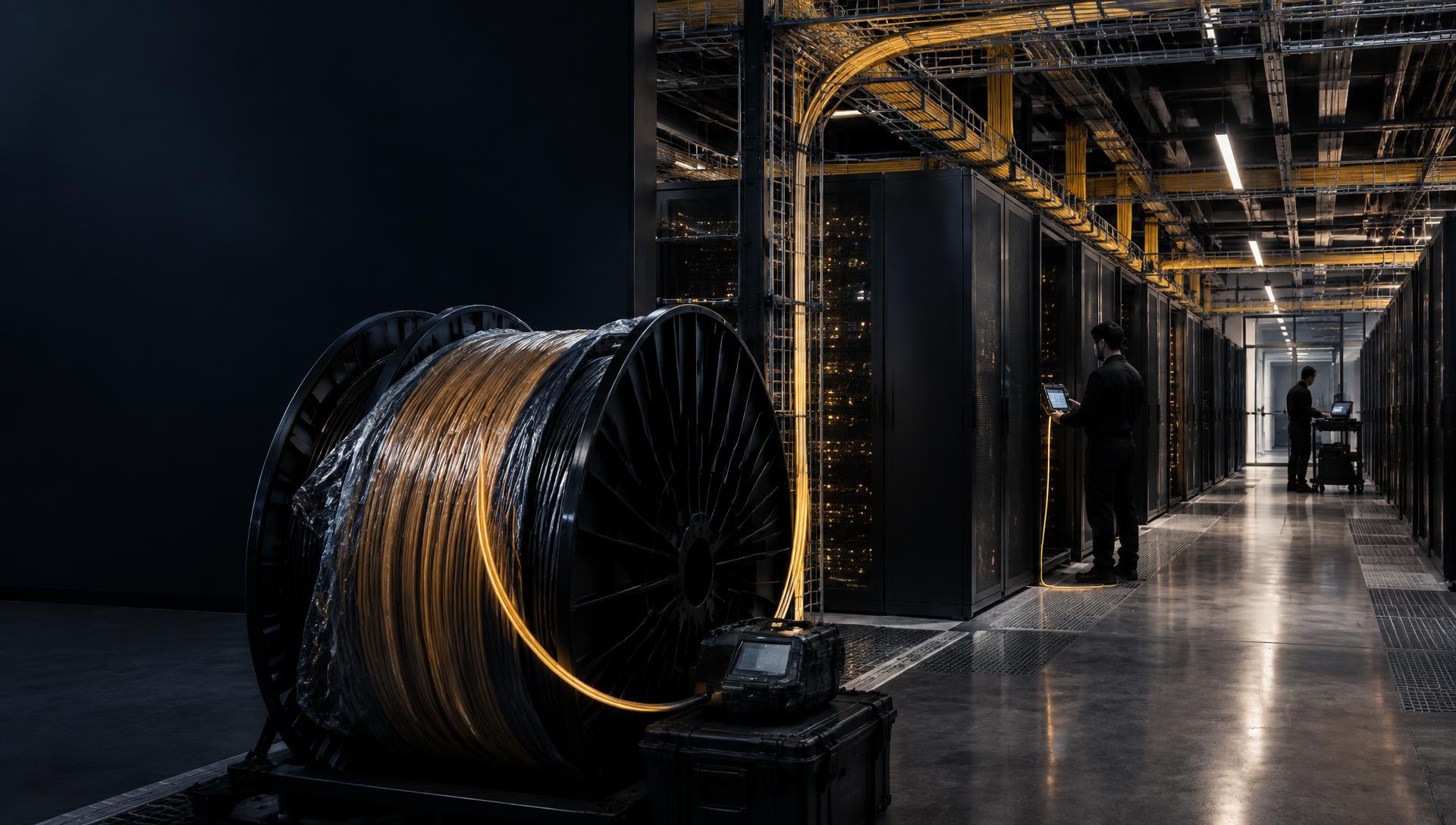
07 / Mission Critical
Power, cooling, controls, and human action interact during a data center event. Reconstruction requires all four records.
Read analysis →
08 / Claims & Disputes
Two separate technical questions are often merged into one answer. Separating them changes the outcome.
Read analysis →
09 / Investigation Practice
The decisions made before an engineer arrives determine what any later investigation can establish.
Read analysis →Questions We Explore
What does the physical evidence actually establish?
Which assumptions fail when tested against operating reality?
How should uncertainty be communicated?
What conclusion can withstand technical scrutiny?