
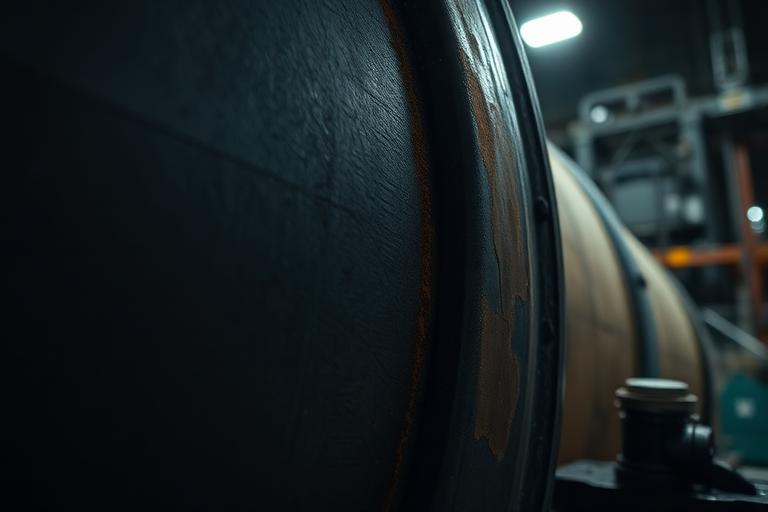
Pressure equipment fails in ways that leave a durable record. The fracture surface, the scale, the deposits, and the deformation are all readable if the evidence survives the first 48 hours.
01
Preserve before you interpret
Cutting, grinding, wire brushing, and hydro cleaning destroy the features that distinguish fatigue from overload and corrosion from erosion. Preservation instructions belong in the first communication after an event, not in the investigation plan issued a week later.
Most pressure equipment evidence is lost during cleanup, not during the event.
02
Read the mechanism from the surface
Beach marks, chevrons, shear lips, thinning profiles, and secondary cracking each point to different loading histories. Metallurgical examination converts those observations into a mechanism, and process data explains why that mechanism became active.
03
Connect mechanism to design and operation
The final question is rarely metallurgical alone. It asks whether the equipment was operated inside its design envelope, whether the inspection interval was capable of finding the damage, and whether a repair or alteration changed the behavior of the component.
Continue Reading
- It's Not Just a Gasket: Eliminating Flange Leaks Through Bolted Joint Engineering, Controlled Bolting, and Assembly Governance
Pressure Systems
- Spring Hangers: Selection, Setting, Inspection and the Failures They Prevent
Machinery Diagnostics
- Criticality Is Not Priority: How Engineering Leaders Decide What Work Comes First
Asset Advisory