
Process
Process Engineering & Process Safety
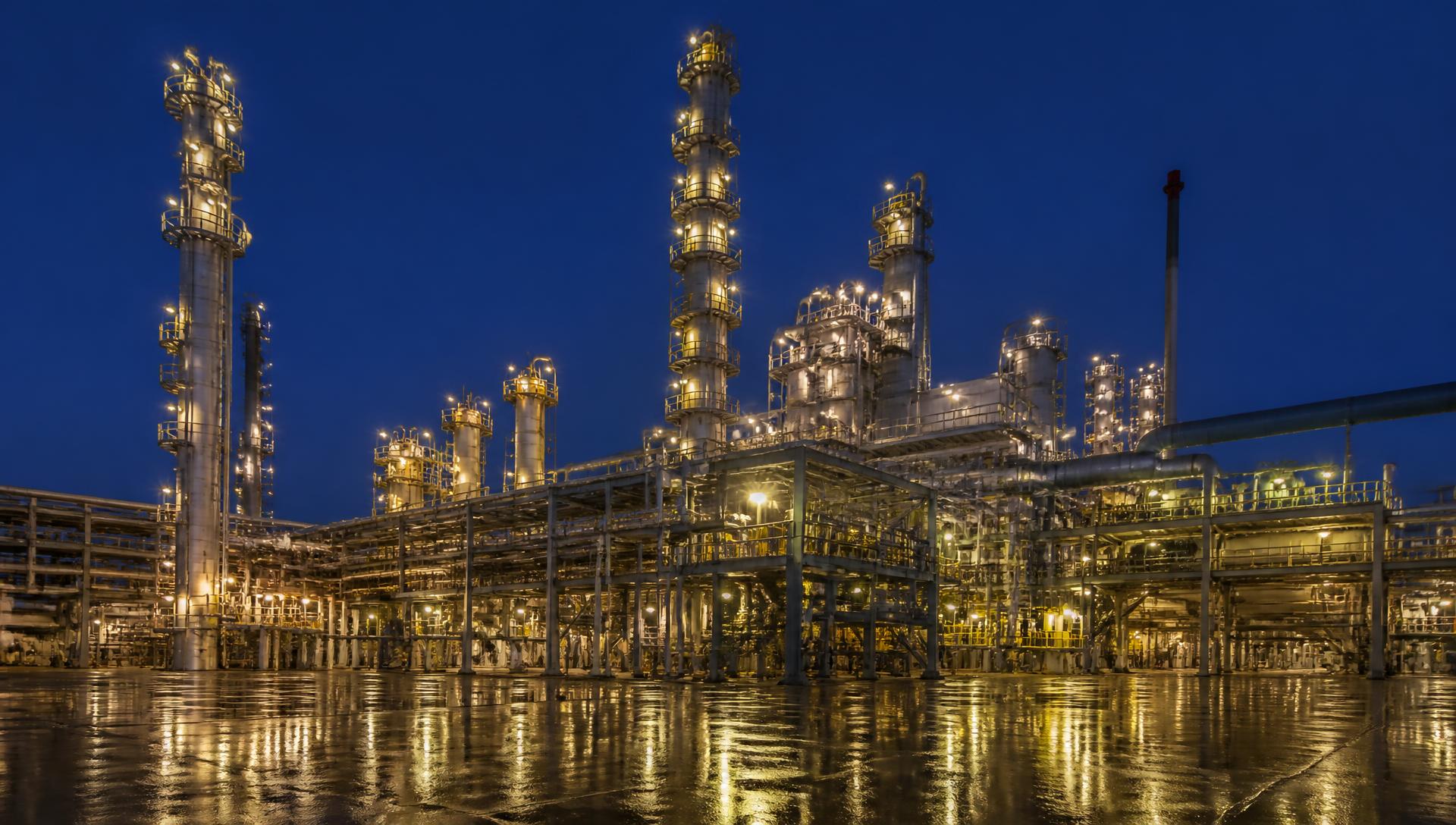
Senior process and facilities engineering for operating plant troubleshooting, debottlenecking, optimization, process safety, relief systems and capital project development. Strong operating facility depth in SAGD and CSS, sour gas, gas processing, produced water, steam, oil treating and petrochemical systems.
150,000 bbl per day facility experience
- UEI
- ZR3PJZEA7A21
- CAGE
- 174X8
- Independence
- Findings challenged before release
- Deployment
- Remote response within 24 hours
What This Discipline Covers
Scope of the technical capability.
Senior process and facilities engineering for operating plant troubleshooting, debottlenecking, optimization, process safety, relief systems and capital project development. Strong operating facility depth in SAGD and CSS, sour gas, gas processing, produced water, steam, oil treating and petrochemical systems.
- Process simulation and modeling
- Debottlenecking
- Plant performance testing
- HAZOP, PHA and risk assessment
- PSV, PVRV and relief load
- Flare and vent systems
- Sour gas
- Amine sweetening
- Glycol dehydration
- Produced water
- Oil treating
- Hydraulics and sizing
- Process optimization
- RCFA and incident analysis
- Management of change
Problems The Technical Lead Solves
The questions this discipline is engaged to answer.
- 01
Process upsets
- 02
Capacity and bottleneck problems
- 03
Relief system review
- 04
Process contribution to failures
- 05
Process safety review
- 06
Venting and flaring reduction
- 07
Operating performance improvement
- 08
Capital feasibility and alternatives
Equipment And Systems
Assets this Technical Lead has worked on directly.
- Separators
- Scrubbers
- Tanks
- PSVs and PVRVs
- Pumps
- Control valves
- Compressors
- Amine and glycol systems
- Produced water systems
- Flare and vent systems
- SAGD surface facilities
Industries And Environments
Operating environments where this experience was built.
- SAGD and CSS
- Oil and gas
- Gas processing
- Petrochemical and polymer
- Midstream
Diagnostic And Investigation Methods
How the technical work is actually performed.
- Process chronology reconstruction from historian data
- Heat and material balance verification
- Relief system and overpressure scenario review
- Process hazard analysis and layer of protection analysis
- Operating envelope and deviation assessment
- Incident investigation using structured causal methods
Tools Capability
The platforms, instruments and measurement methods used on assignments.
These platforms, instruments and methods are used to produce evidence that holds up under audit, underwriting review and cross examination.
Process Simulation
Aspen HYSYS
Energy process simulation, thermodynamics, phase behavior and heat and material balance reconstruction.
Aspen Plus
Chemical process simulation where reaction and separation behavior governs the outcome.
Aspen HYSYS Dynamics
Dynamic reconstruction of upsets, trips, pressure excursions and control response.
PIPESIM and OLGA multiphase production modelling
Steady state and transient multiphase behavior in wells, wellheads and flowlines where gas fraction, slugging and rate changes drive the operating constraint.
Flow, Relief and Hydraulics
PIPESIM
Multiphase flow behavior across production and process systems.
PIPE-FLO
Hydraulic network, pump and pressure drop analysis.
Aspen Flare System Analyzer
Relief load, flare header and depressuring adequacy in overpressure investigations.
Process Safety and Consequence
PHAST
Dispersion, fire and explosion consequence modeling for release and loss scenarios.
FLACS
Explosion overpressure and congested area modeling where damage extent must be explained.
HAZOP, LOPA and relief scenario review
Assessment of whether the protective design matched the credible scenario.
Root Cause and Analytical Method
Fault tree analysis and bow tie assessment
Mapping of initiating causes, barriers and consequences for a process safety event.
Apollo Root Cause Analysis and TapRooT
Formal cause determination where a release, fire or shutdown carries claim, regulatory or litigation exposure.
Process Evidence
AVEVA PI System historian data
Pressure, temperature, flow and composition trending during upset reconstruction.
Sampling and chain of custody
Fluid, residue and catalyst sampling handled so the laboratory result is admissible.
BlackOut Power / TerraTolga Proprietary Capability
- Engineering Records Intelligence
P&IDs, relief studies, PHA records and operating procedures reconciled against what the unit actually did.
- FMECA Engine
Failure mode review of process equipment and protective systems supporting the safety case.
- TerraTolga PDF / Vault Compare
Revision comparison of P&IDs and procedures where a change preceded the event.
Codes And Standards
Frameworks applied to the analysis.
- OSHA 1910.119 process safety management
- API 520, 521 and 2000
- NFPA 68 and NFPA 69
- CCPS process safety guidance
- API 754 process safety indicators
- IEC 61511 functional safety
Credentials And Qualification
The professional basis for this discipline.
- 01
Chemical or process engineering background in operating facilities
- 02
Process safety management and PHA facilitation experience
- 03
Relief systems and flare design or review experience
- 04
Incident investigation leadership in regulated environments
Scale And Breadth
Reported scale of professional exposure.
- 01
150,000 bbl per day facility experience
- 02
Debottlenecked a facility from 120,000 to 150,000 bbl per day
- 03
105,000 bbl per day SAGD facility
- 04
100,000 bbl per day oil sands facility
- 05
600 tonne per day polymer plant environment
Representative Professional Experience
Assignment types this discipline supports.
- 01
Investigation of a process upset that resulted in equipment damage and lost production
- 02
Relief system adequacy review following a change in feed composition
- 03
Root cause analysis of a release event including operator response evaluation
- 04
Technical support for a regulatory response following a reportable incident
Assignment descriptions are generalized to protect client confidentiality. Specific references can be discussed during scoping where permissions allow.
Multidisciplinary Interfaces
Disciplines this work commonly coordinates with.
- Mechanical & RCA
- Controls
- Reliability
- Inspection
- Electrical
- Environmental
Discuss a process & safety assignment.
Initial conversations are confidential and without obligation. We will confirm independence before scope is discussed.